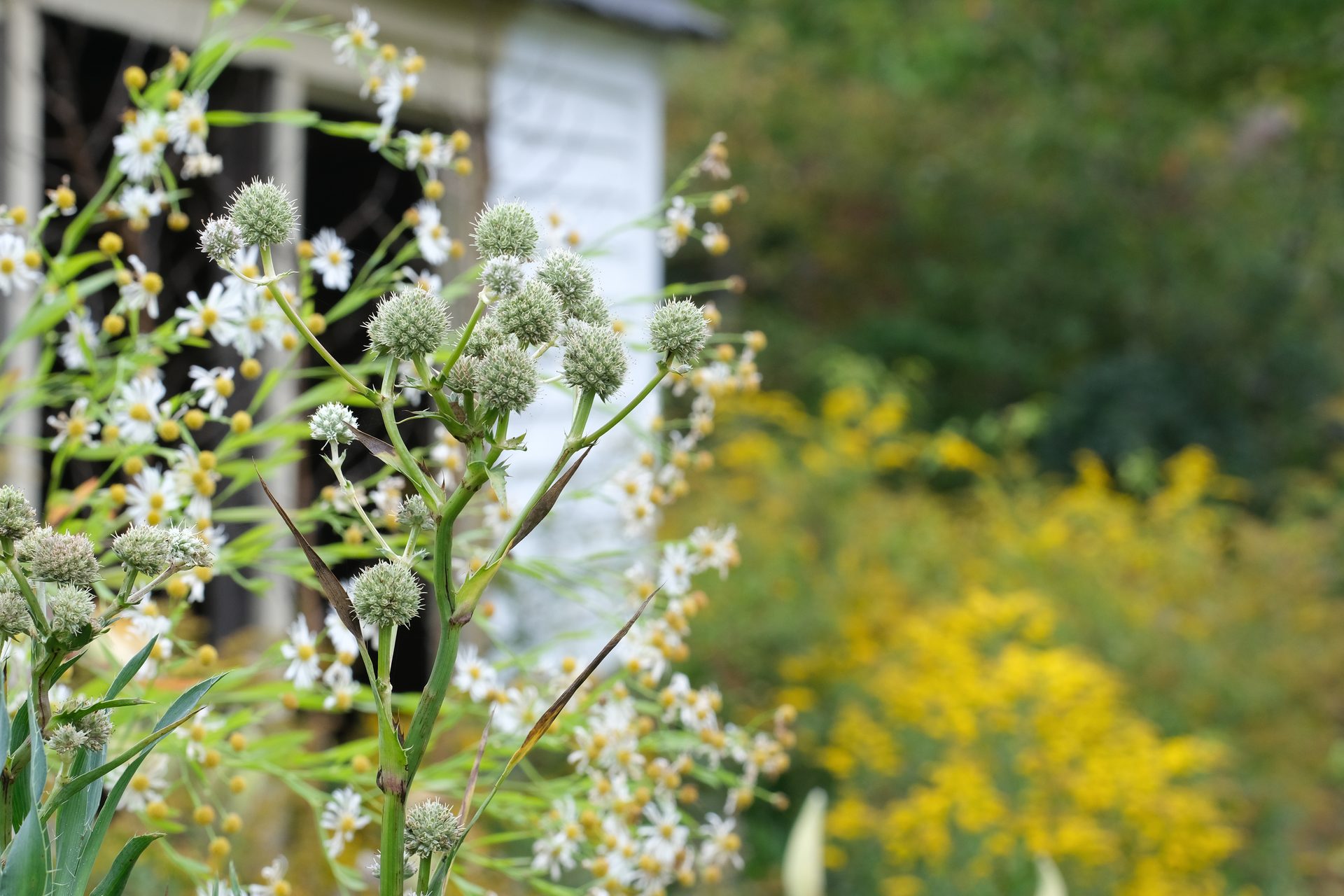
Landscapes designed to be alive
MHLA designs ecological gardens for homes and landscapes that ask for something considered, across southern and central New Hampshire, from the Seacoast to the Lakes Region.
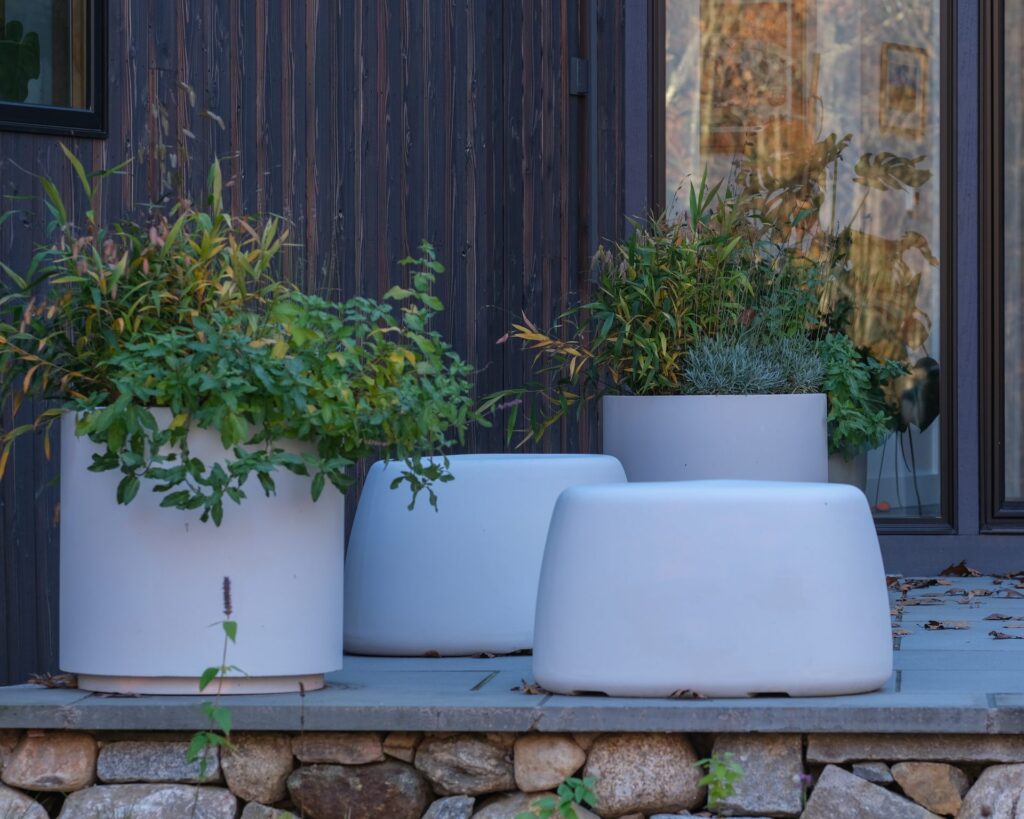
I believe that people feel most at home with a garden that belongs to its place, integrates with the natural world, and supports wild bird and pollinator species. My approach starts from site history and ecological address as the basis for choosing materials for both planting and hardscape. The result is meant to look unforced, less like a landscape that was installed and more like one the site arrived at on its own. My planting relies on a matrix technique for beauty and for function, because people are happiest living within a healthy, working ecosystem.
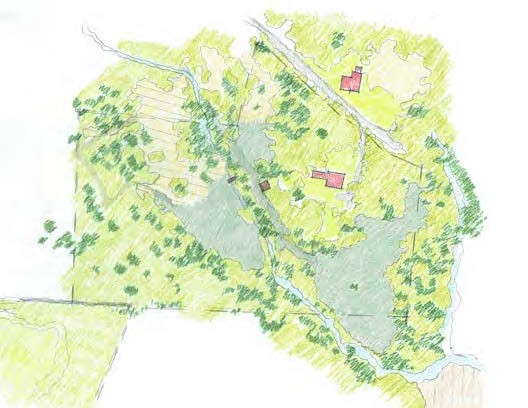
DESIGN SERVICES
Most Projects work through the following:
Initial consultation
Site analysis and project goal identification
Garden Design
Contractor Selection
Garden Maintenance Management
MHLA works collaboratively with homeowners, businesses, conservation minded landowners, architects, engineers, and building and landscape contractors.
What is Ecological Address?
Ecological address is similar to physical address but instead of state, town, street and house number, it includes ecoregion, watershed, forest community, soils, and habitat type.
For example, an ecological address for a house in Harrisville, NH could be ‘grassland and wet shrub openings within a hemlock hardwood pine forest on sandy loam on the Monadnock Plateau and the Merrimack River watershed.’
When we identify the ecological address of a place, not only does it help practitioners make functional design decisions, it also expands our clients’ sense of home into the natural world.
What is matrix planting?
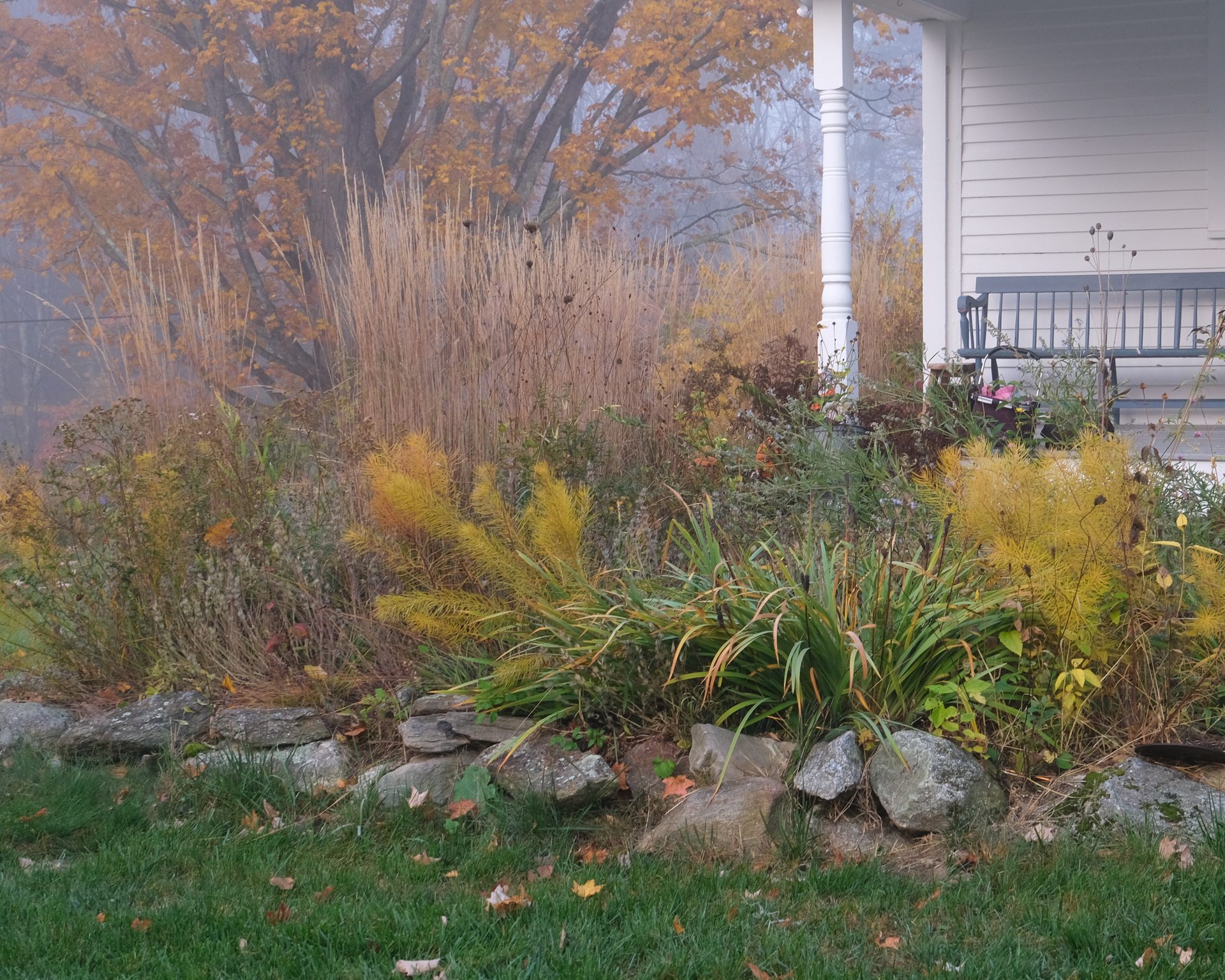
Matrix planting is a low maintenance layered technique popularized by the New Perennialist movement in Europe. Working with plant communities rather than individuals, matrix planting utilizes a “green groundcover” base layer that replaces bark mulch, and relies on flowering plant combinations for seasonal bloom sequences and fall color. Matrix planting makes a natural segue between a right sized lawn and an early-successional mix of taller shrubs, grasses and understory trees. It is also a functional choice in that it does not require irrigation, is relatively inexpensive to install and supports pollinators and songbirds.
❝
I see so many more insects in my garden now, I feel like we’re helping our little corner of the earth. -Matt
Curious?
Because biodiversity is beautiful, and a well-designed garden proves it every season.
PRESS
Articles, Podcasts and Events



❝
We are far more innovative, creative, and powerful as gardeners than we imagine or give ourselves credit for and together we make a difference.
Jennifer Jewell, Cultivating Place podcast
IN CONVERSATION WITH MEG