What Is Matrix Planting?
April 2, 2026
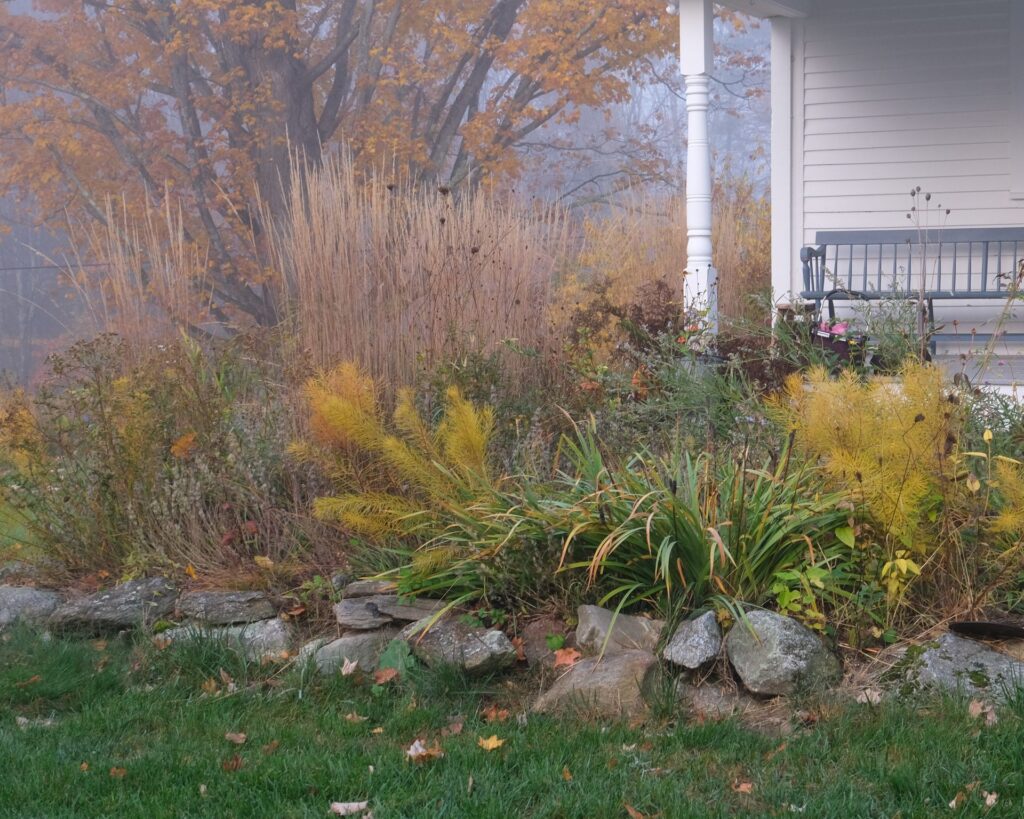
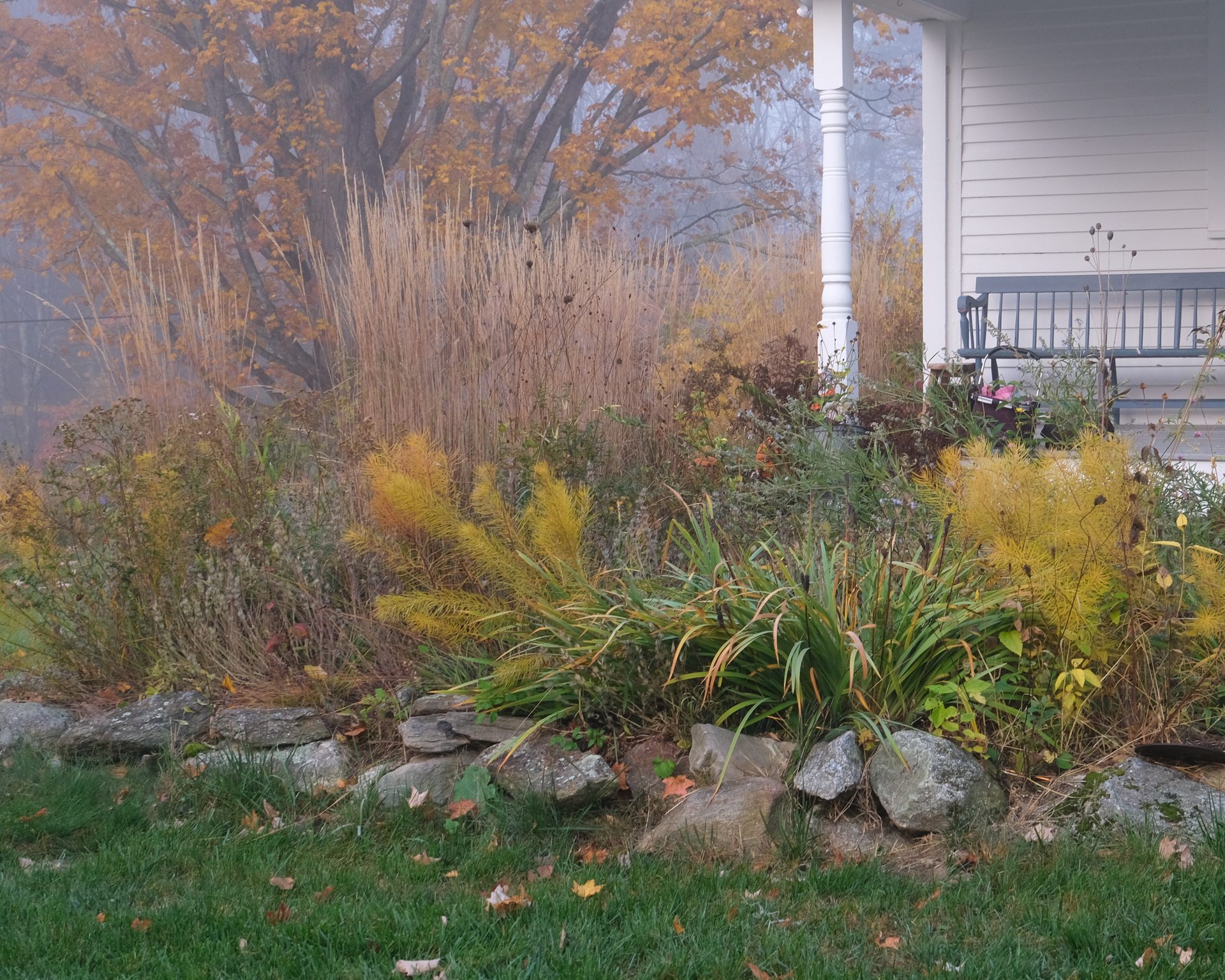
Matrix planting is a design approach built on a simple idea: plants don’t naturally grow alone.
In the wild, plants grow in communities. They layer. They intermingle. Wherever sunlight reaches the ground, whether a meadow edge, a forest clearing, or a disturbed field, you’ll find many species per square foot. Each one occupies a slightly different niche. Each one supports the others. Matrix planting takes that principle and applies it to designed landscapes.
The result looks different from a conventional garden. It also performs differently. Less maintenance. Better habitat. A kind of beauty that shifts and develops over time, something a conventional planting can’t achieve.

Where it comes from.
The intellectual foundation for matrix planting is largely European. In Germany, England, and the Netherlands, researchers and designers have been working with plant sociability and ecological layering since the 1980s. The most important reference is Hansen and Stahl’s Perennials and their Garden Habitats, published in German in 1981 and translated into English in 1993. It is still used as a planting design textbook across Europe.
Hansen and Stahl’s contribution was systematic. They categorized perennials by ecological community, documented how many typically occur together, and identified the layer each occupies. Their research gave designers a framework for building plant communities using the same logic that governs natural ones.
That framework has since moved into practice in some of the most significant public landscapes in the United States. Designers like Piet Oudolf, James Hitchmough, and Claudia West have demonstrated what ecologically grounded planting design looks like at scale, in Chicago, New York, and Washington DC. The High Line in New York is probably the most visible example. But the principles translate to small residential sites just as well. In some ways they work better. The planting is denser, more complex, and more resilient than conventional approaches at any scale.
How it works
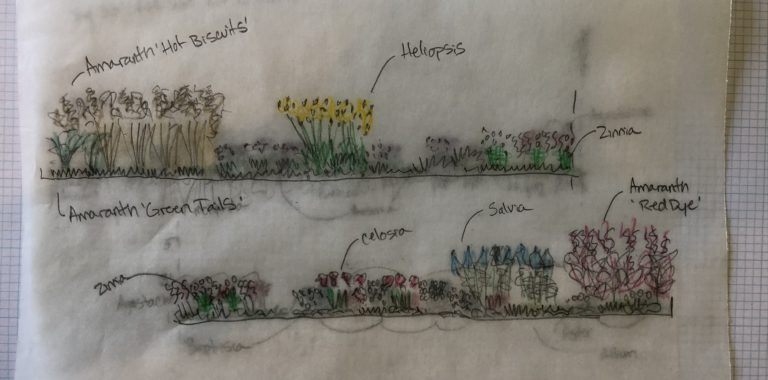
A matrix planting is built in layers:
The matrix layer: The structural foundation of the planting, typically grasses or low spreading perennials that cover ground and provide visual continuity across the whole bed. This layer does most of the weed suppression work once established. Hansen and Stahl’s research suggests groundcover species should make up roughly 50% of a designed plant community. This is not a decorative layer, it’s a functional one that closes gaps, retains soil moisture, and eliminates the need for bark mulch.
The design layer: Perennials woven through the matrix in drifts or scattered individually, providing seasonal color, texture, and interest. These are the plants you notice first.
The accent layer: Taller plants, structural elements, or specimens that punctuate the planting and give it vertical dimension.
The key is that these layers interpenetrate rather than separate. A grass that forms the matrix backdrop in one area might be a design element in another. The planting reads as a whole, not as a collection of parts.

WHY it works ECOLOGICALLY
Conventional clump planting leaves bare ground between plants; ground that weeds are very good at colonizing. A matrix planting closes canopy quickly, shading the soil and reducing weed pressure significantly once the planting matures. This is one of the reasons matrix plantings, though they require attentive establishment in years one and two, tend to need less intervention over time than traditionally arranged gardens.
The intermingled structure also supports biodiversity more effectively than monoculture masses. Different plant species flower at different times, providing a continuous sequence of resources for pollinators across the season. Dense, varied plantings support more insect species, more bird species, and more complex soil communities than simplified ones.
A matrix planting is not just a visual choice. It is a different relationship with the land. It works with ecological processes rather than against them.
How MHLA uses matrix planting
Matrix planting is not the right approach for every site or every client. It asks more of the gardener in years one and two, more attention to establishment, more consistent weeding before the canopy closes, and it requires a willingness to let the planting develop rather than intervening constantly.
But for clients who want a garden that is genuinely low-maintenance over time, that supports the ecology of their site, and that that has a character specific to the site, it is often the most honest answer to what they’re asking for.
Most MHLA projects incorporate matrix planting principles, whether or not the approach is named. The underlying logic runs through everything the practice does: plant communities rather than plant collections, ecological function as the foundation of aesthetic decisions.
I cross-reference every species against its documented ecological communities. The goal is a planting that belongs on the site, not one that’s been placed there.
Interested in what this might look like on your site?
Meg Herndon is a landscape architect based in Strafford, New Hampshire. MHLA designs residential gardens that are ecologically grounded, beautifully made, and built to last.
Image credits: Elise Sullivan Photography