SPRING CARE FOR ECOLOGICAL GARDENS
Scroll to download PDF handout
April 4, 2026
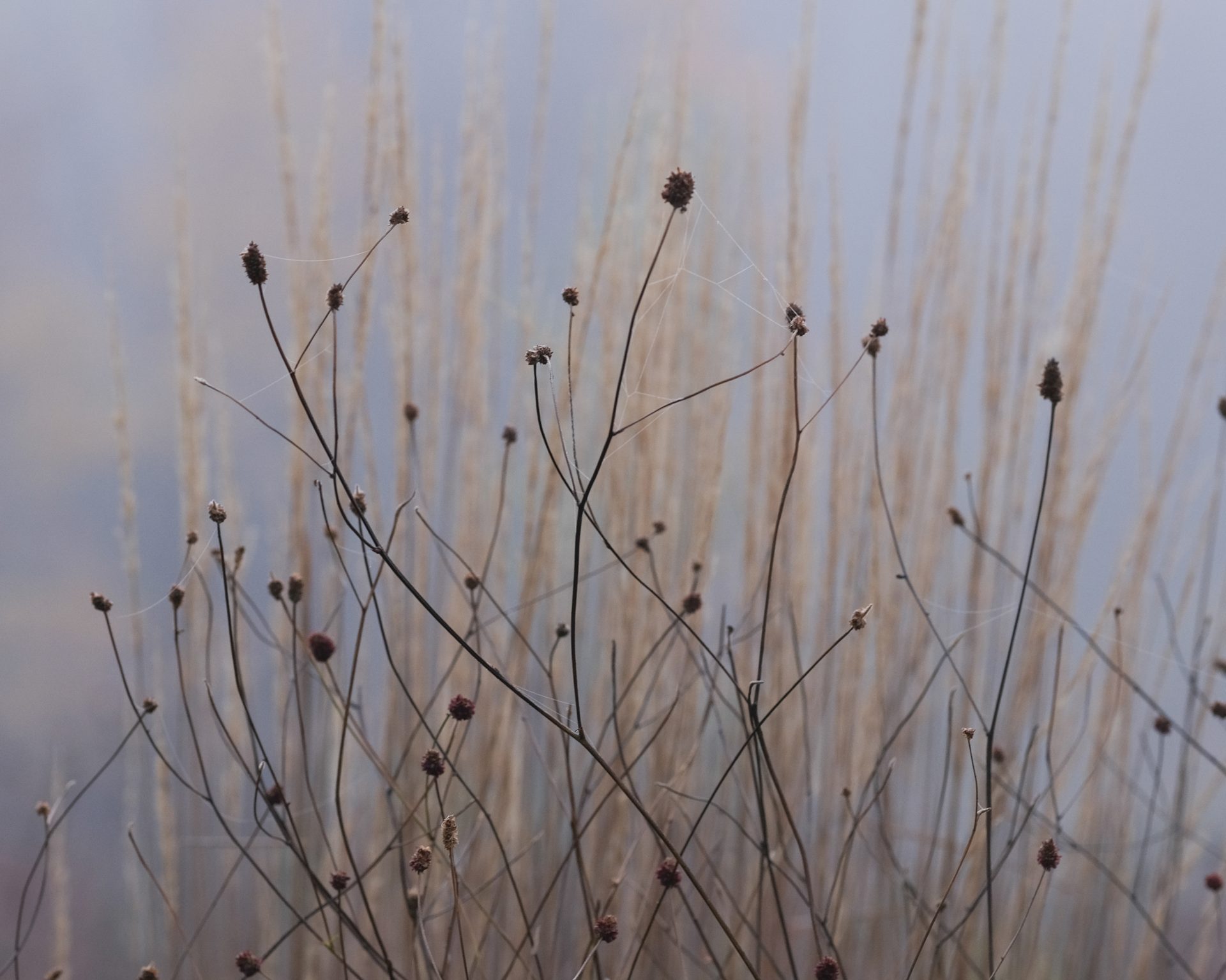
Every spring, the same question comes up: when do I cut everything back? The short answer is: later than you think, and less than you’ve been told.
Most garden cleanup advice was written for conventional landscapes: annuals, tidy beds, plants chosen for ornamental value alone. That advice doesn’t apply here. If your garden was designed with ecological function in mind — to support pollinators, beneficial insects, and soil health across all four seasons — the cleanup approach needs to match.
Here’s how I ask clients to approach spring maintenance in MHLA plantings.
Wait.
The single most impactful thing you can do is delay. Hold off on major cutback until at least mid- to late April, and ideally until after apple and pear blossoms have faded.
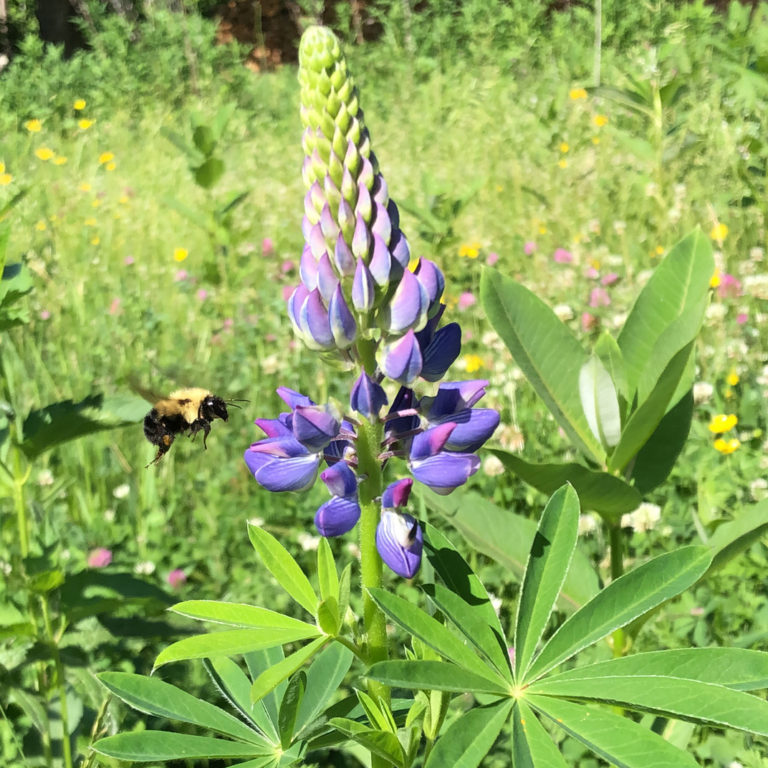
This isn’t about aesthetics. It’s about the lifecycle of the insects using your garden. Bumblebee queens overwinter in the soil and leaf litter. Native bees nest in hollow stems. Ground beetles and other beneficials shelter in debris at the base of plants. A hard cleanup in March clears all of that before they’ve had a chance to emerge.
The blossoming of early fruit trees is a reliable ecological indicator. When the orchard blooms, the soil has warmed enough that most overwintering insects have become active. That’s the signal to start, not the calendar.
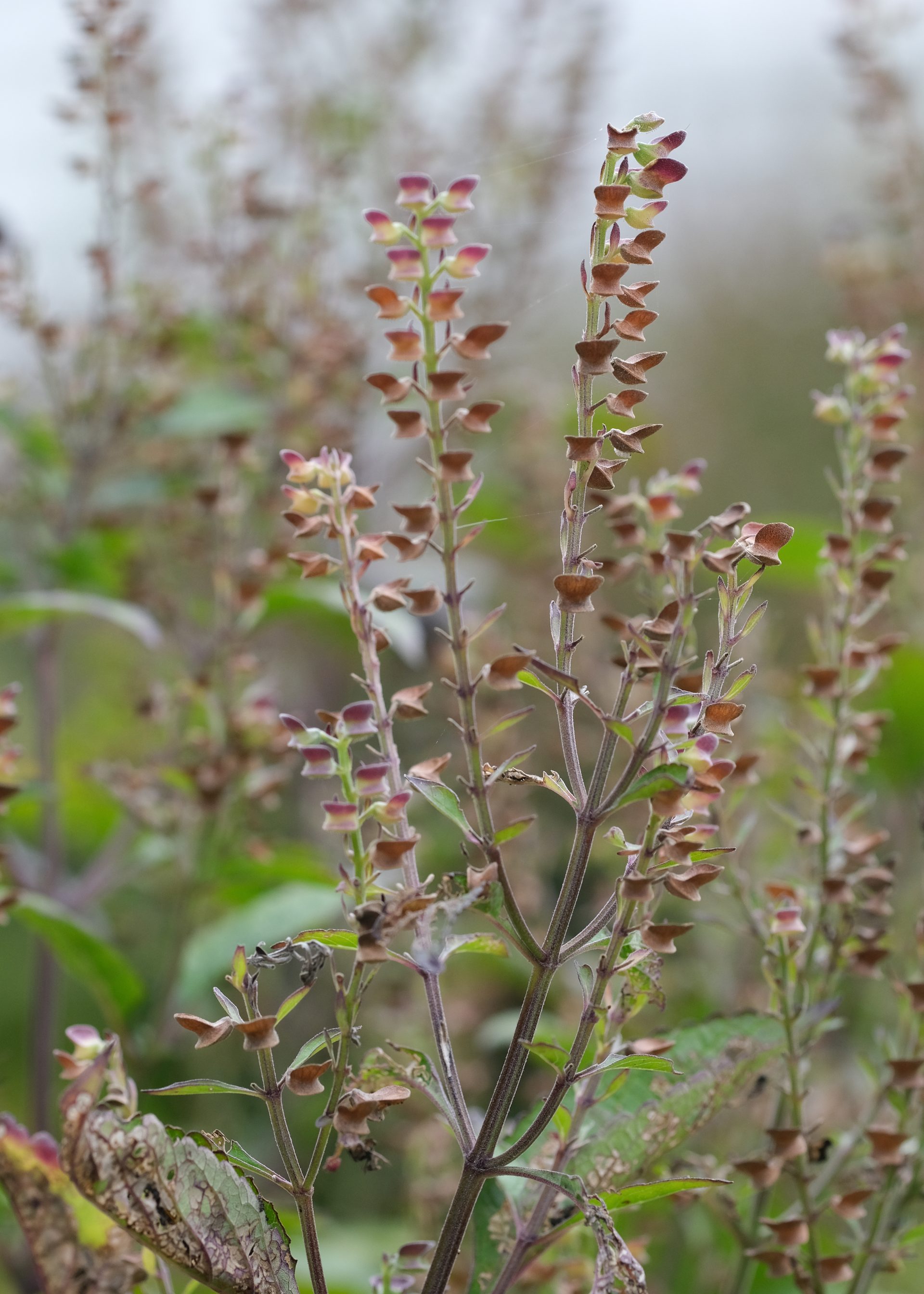
Leave the leaf litter.
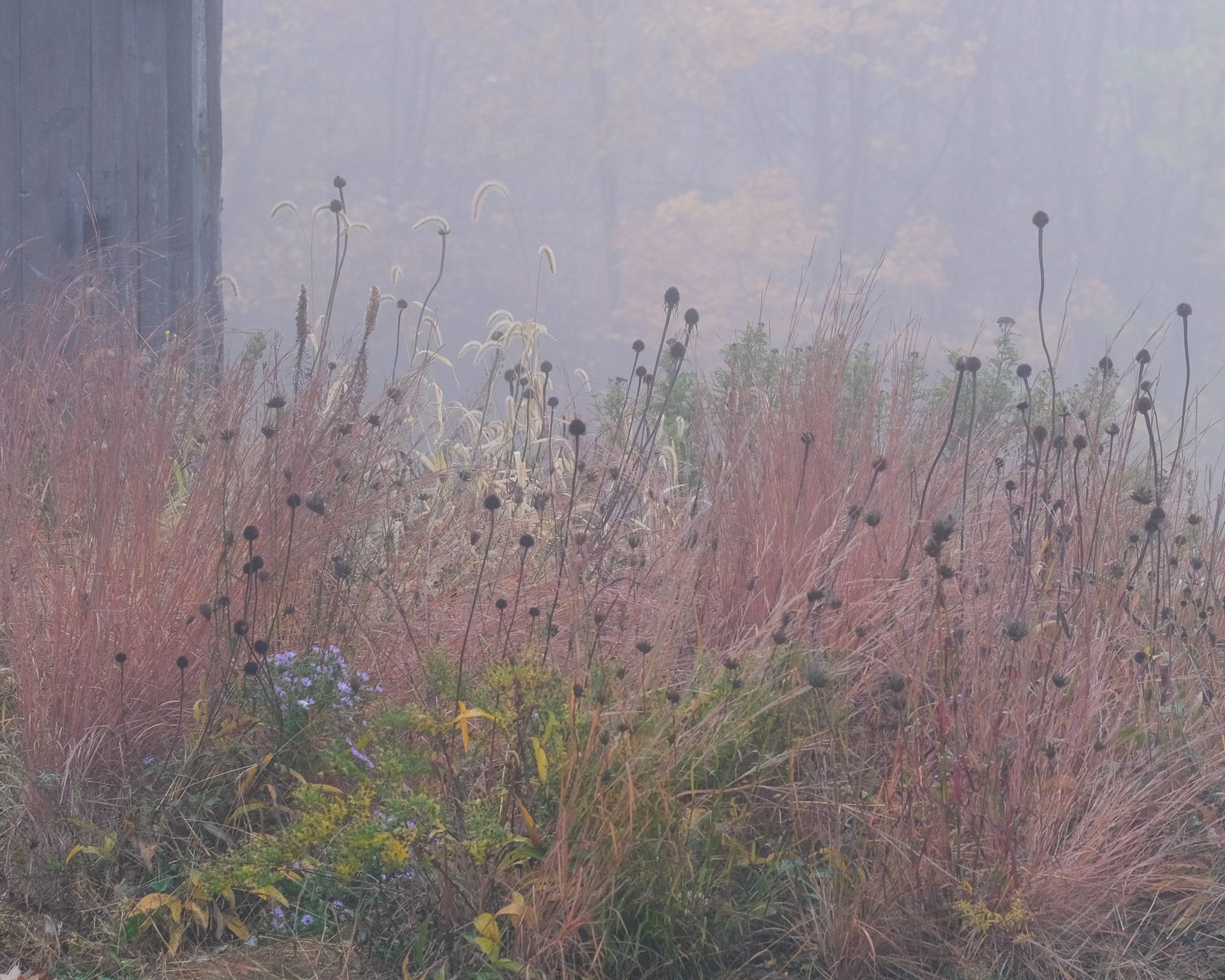
Leaf litter under shrubs and in the planting interior is doing work. It insulates the soil, feeds soil biology, and provides shelter for overwintering insects and their eggs. It also breaks down into organic matter that feeds your plants.
If leaves have accumulated heavily around emerging crowns and are smothering new growth, thin them, but redistribute them deeper into the bed rather than bagging them. Removing leaf litter from site removes nutrients and habitat in the same motion.
Cut stems high, not to grade.
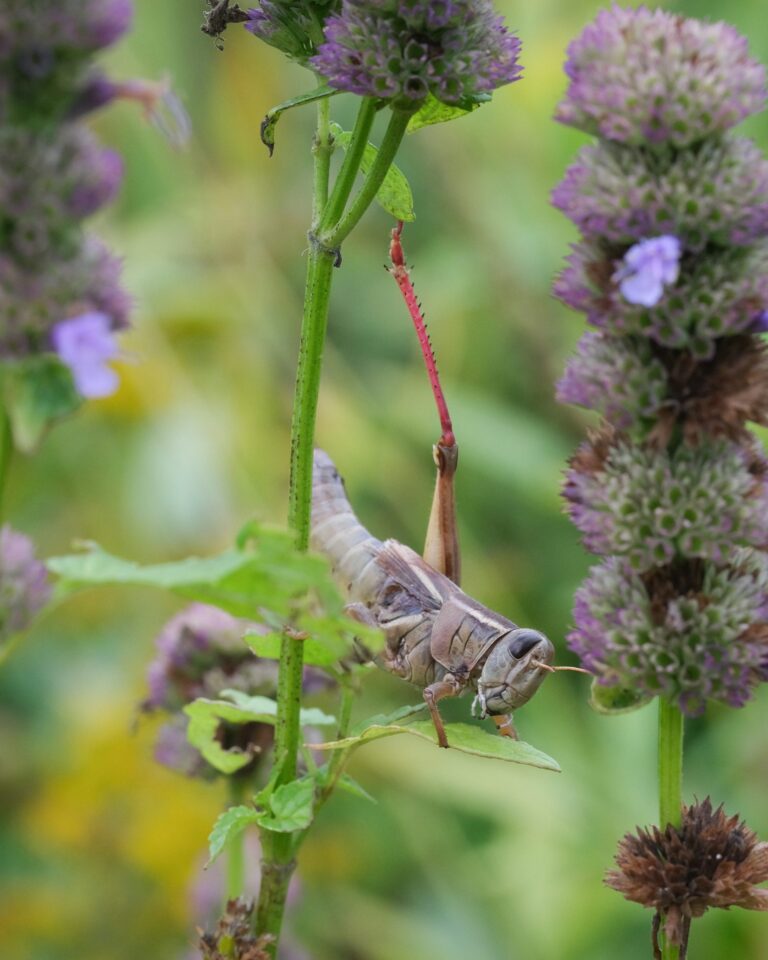
The standard advice is to cut perennials back to the ground in spring. In an ecological garden, this removes nesting habitat. Many native bees, including mason bees and leafcutter bees, nest in hollow or pithy stems. Those nests may be in your garden right now.
When you do cut back, leave stems at roughly 12–15 inches, and up to 24 inches on suitable hollow or pithy stems. It looks intentional. It functions well. And it gives ground-nesting bees a structure to return to.
What the garden should look like.
The goal is a managed, intentional spring garden, not a stripped one.
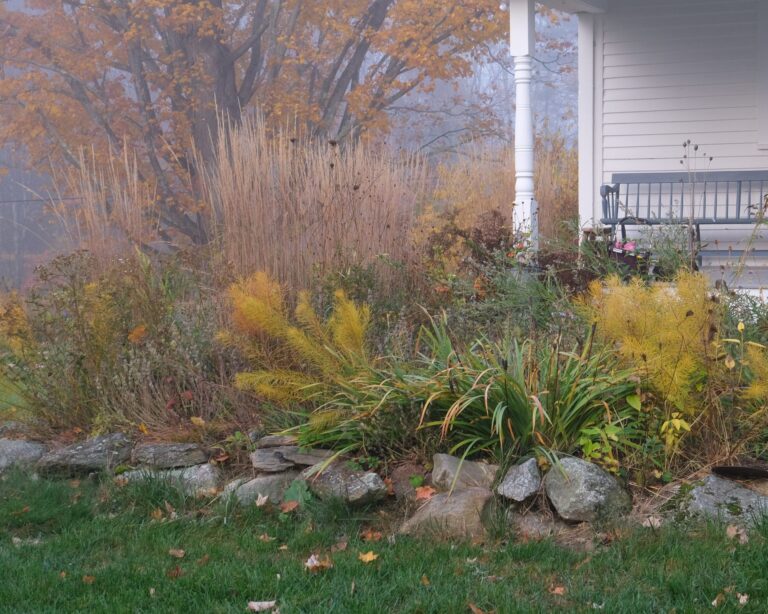
Paths, edges, entries, and high-visibility areas can and should be kept neat. These are the frames around the painting. The planting interior and less prominent zones can retain more structure without the garden reading as neglected.
This distinction matters. An ecological approach does not mean an untended one. It means understanding which parts of the garden need to be crisp and which parts can hold more life.
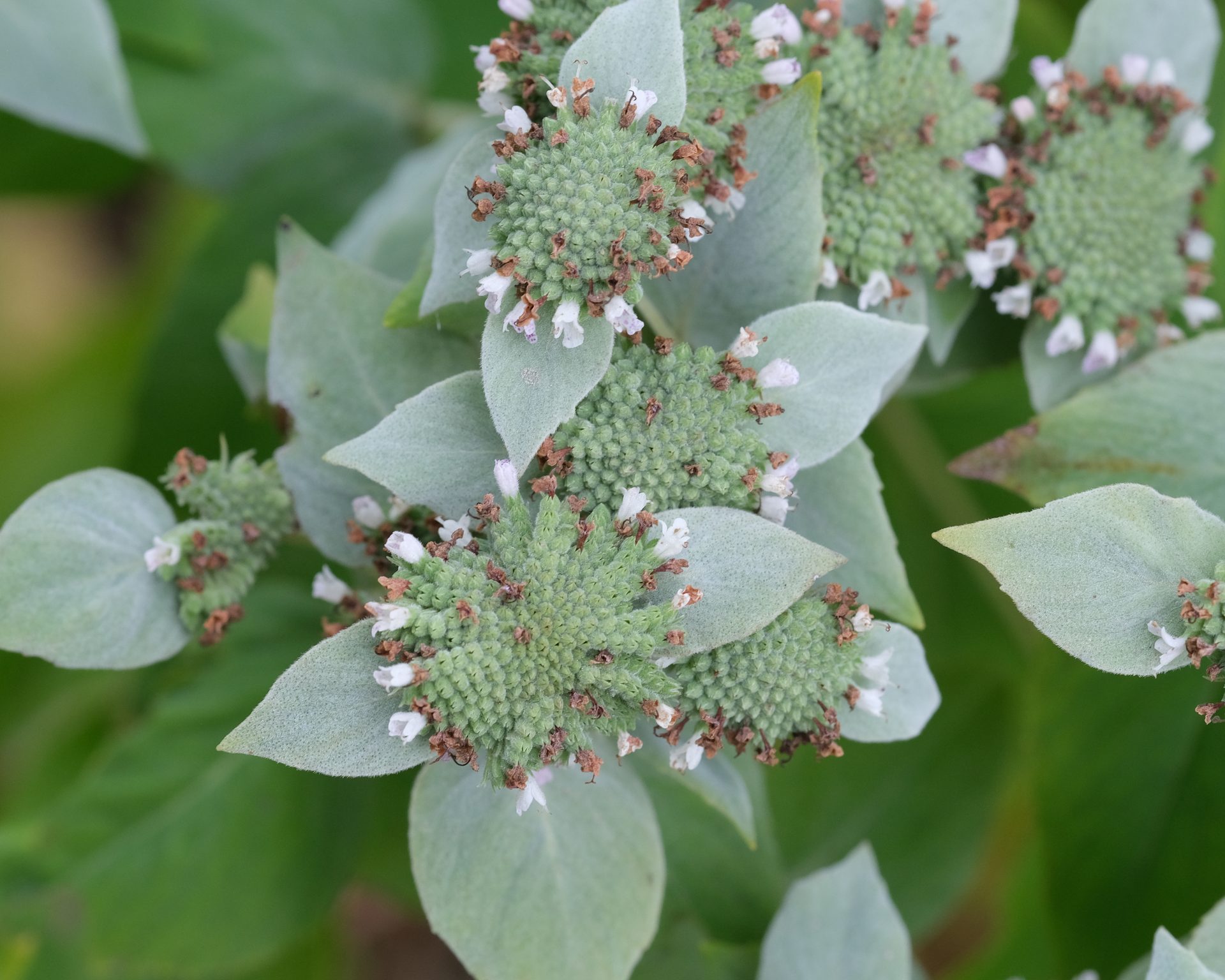
In practice, work in this order:
- Open paths and entries first: these give the garden legibility
- Release emerging crowns where debris is heavy enough to smother new growth
- Redistribute excess leaves within the planting rather than removing them from site
- Remove clearly diseased material and invasive seedlings
- Cut back perennial stems: leave them at 12–15 inches minimum, higher on pithy stems
- Avoid blanket shearing or cutting everything to grade
For a downloadable handout with this information:
These guidelines are written for gardens in southern and central New Hampshire, where soil temperatures in early April are still cold and spring comes late. If you’re in a warmer zone or working in a sheltered microclimate, you may be a week or two ahead of this. When in doubt, watch the apple trees.
For more on the design principles behind this approach, see What Is Matrix Planting?
Interested in what this might look like on your site? Get in touch.
Meg Herndon is a landscape architect based in Strafford, New Hampshire. MHLA designs residential gardens that are ecologically grounded, beautifully made, and built to last.
Photography: Elise Sullivan